Commercial Cooling Problems in San Jose: When HVAC Systems Cannot Keep Up With Summer Loads
For property managers and building owners, understanding commercial cooling problems in San Jose is essential, especially when buildings struggle to maintain comfortable temperatures during peak summer demand. Many properties operate adequately for most of the year yet struggle to keep up when summer temperatures and cooling loads increase.
For property managers, these issues often lead to tenant complaints, comfort concerns, and urgent service calls during the hottest periods of the year.
The good news is that these problems are not always caused by equipment failure. In many cases, the HVAC system is operating but cannot keep up with the building’s cooling requirements. Understanding why this happens can help property managers address issues before they turn into tenant complaints, emergency repairs, or costly downtime.
Why Commercial Buildings Experience Cooling Problems During Summer Heat
Commercial buildings lose cooling capacity during hot weather because HVAC systems must remove significantly more heat from the building. As outdoor temperatures increase, cooling equipment works harder to maintain indoor comfort.
At the same time, many buildings generate more internal heat through occupants, lighting, computers, equipment, and daily operations. Even small performance deficiencies can become major comfort issues during periods of extreme demand.
Common factors include:
- Higher outdoor temperatures
- Increased occupancy levels
- Additional heat-generating equipment
- Aging HVAC systems
- Airflow restrictions
- Deferred maintenance
A building that remains comfortable at 75 degrees outside may struggle when temperatures reach the 90s for several consecutive days.
Signs Your HVAC System Cannot Keep Up With Summer Loads
Many cooling issues develop gradually rather than appearing as sudden failures.
Indoor Temperatures Rise Throughout the Afternoon
A common complaint occurs when the building reaches the desired temperature in the morning but becomes increasingly uncomfortable later in the day.
As solar heat gain increases and outdoor temperatures climb, the system may lose its ability to keep pace with demand.
Hot and Cold Areas Throughout the Building
Some suites, floors, or common areas may remain comfortable while others become noticeably warmer.
This often indicates airflow imbalances, distribution problems, or cooling loads that have changed since the system was originally installed.
Equipment Runs Continuously
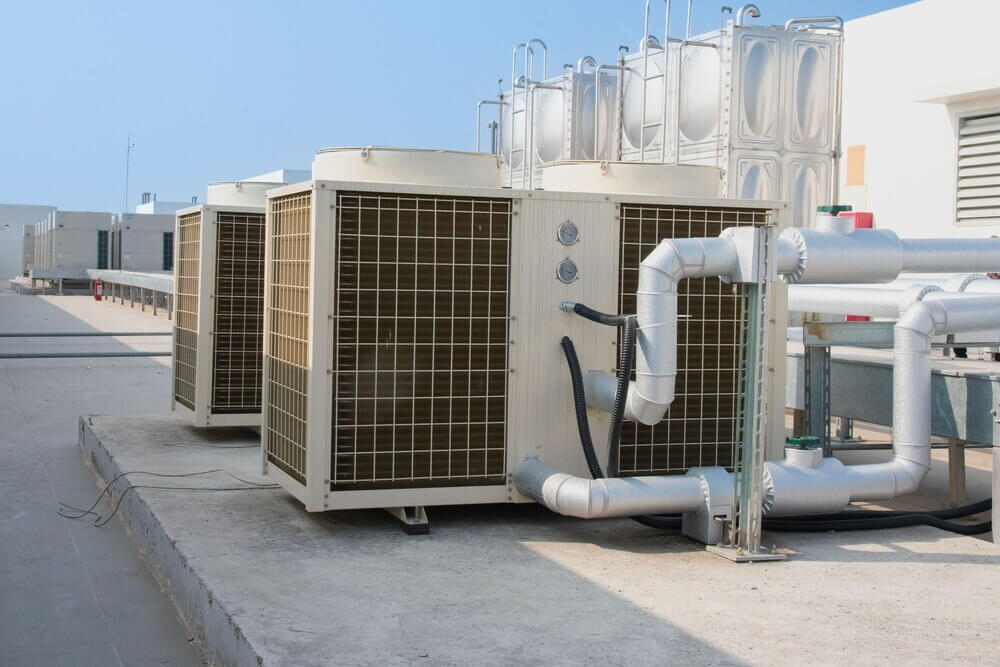
When rooftop units or air handlers run for extended periods without reaching the thermostat setpoint, it may indicate that the system lacks sufficient capacity or is experiencing performance limitations.
Increased Service Calls During Heat Waves
Buildings that repeatedly require service during summer heat events often have underlying performance issues that need to be addressed beyond emergency repairs.
Common Causes of Commercial Cooling Problems in San Jose
HVAC Equipment Was Sized for Past Conditions
Commercial buildings evolve over time.
Office occupancy may increase. Additional workstations may be added. Tenant improvements can alter floor plans. New equipment may generate more heat than the original design anticipated.
Even if the HVAC system was properly sized when installed, building conditions may have changed significantly.
Dirty Condenser Coils
Condenser coils play a critical role in removing heat from the refrigeration system.
When coils become dirty, cooling efficiency declines and equipment must work harder to reject heat. During hot weather, this reduction in efficiency becomes even more noticeable.
Routine maintenance often identifies and corrects these issues before they affect occupants.
Airflow Restrictions
Cooling performance depends on proper airflow throughout the building.
Common airflow issues include:
- Dirty filters
- Damaged ductwork
- Closed dampers
- Blocked return air pathways
- Poor air balancing
When cooling complaints are isolated to certain offices, suites, or floors, the issue may involve airflow and distribution rather than cooling equipment alone.
In some cases, occupants assume the equipment is failing when the real issue involves air distribution.
Aging Rooftop Units
Commercial HVAC equipment can continue operating long after performance begins to decline.
Older rooftop units may still provide cooling but struggle to maintain capacity during periods of high demand. Property managers often notice longer runtimes, inconsistent temperatures, and rising repair frequency before complete failure occurs.
Building Controls and Thermostat Issues
Modern commercial HVAC systems rely on controls, sensors, and scheduling strategies.
Incorrect schedules, faulty sensors, or building automation system problems can create cooling complaints even when mechanical components remain operational.
Why Cooling Problems Can Occur Even When Equipment Is Not Broken
One of the most misunderstood aspects of commercial HVAC is that a system can be operating correctly and still fail to adequately cool a building.
A rooftop unit may be functioning exactly as designed, yet still be unable to satisfy current building demands.
This often occurs when:
- Building occupancy has increased
- Space usage has changed
- Airflow deficiencies exist
- Equipment capacity no longer matches building requirements
- Maintenance has been deferred
In these situations, repairing components alone may not solve the underlying problem. A broader evaluation of building load, airflow, and system performance is often necessary.
How San Jose Weather Creates Cooling Challenges
Higher Inland Temperatures
Compared to many coastal areas of the Bay Area, San Jose frequently experiences warmer summer temperatures.
Buildings that operate comfortably in milder coastal climates may face additional stress in the South Bay.
Extended Heat Events
Several consecutive days of elevated temperatures place sustained demand on HVAC equipment.
Systems have less opportunity to recover overnight, increasing the likelihood of performance issues.
Solar Heat Gain
Large commercial buildings often absorb significant heat through windows, roofs, and exterior surfaces.
Buildings with extensive southern or western exposure can experience substantial afternoon heat loads that place additional strain on cooling equipment.
When Commercial Cooling Problems Become HVAC Emergencies
Not every cooling issue requires an emergency response, but some situations demand immediate attention.
Property managers should consider commercial HVAC emergency services when:
- The building loses cooling entirely
- Indoor temperatures create occupant safety concerns
- Critical equipment rooms begin overheating
- Tenant operations are disrupted
- Multi-family residents are significantly affected
- Sensitive equipment or inventory is at risk
When cooling loss affects tenant comfort, business operations, equipment rooms, or safety, property managers may need commercial HVAC emergency repairs rather than routine service scheduling.
For property managers, responding quickly can help minimize disruption, protect tenant relationships, prevent additional damage, and reduce the operational impact of prolonged cooling loss.
How Property Managers Can Reduce Summer Cooling Problems
Schedule Preventive Maintenance
Routine inspections help identify performance issues before peak summer demand arrives.
Monitor System Performance Trends
Increasing runtime, recurring comfort complaints, and rising repair frequency often signal developing problems.
Address Airflow Issues Early
Airflow restrictions rarely improve on their own and frequently worsen over time.
Evaluate Changes in Building Usage
Tenant improvements, occupancy increases, and equipment additions can significantly affect cooling requirements. Buildings rarely operate exactly as they did when the HVAC system was originally designed, making periodic evaluations important as occupancy and usage patterns evolve.
Plan Equipment Replacements Strategically
Waiting for complete failure often leads to emergency replacement decisions. Proactive planning provides greater flexibility and helps reduce disruption.
For buildings with recurring summer performance issues, commercial HVAC planning in San Jose can help determine whether the problem is maintenance-related, capacity-related, or part of a larger system strategy.
Frequently Asked Questions
Why is my commercial building comfortable in the morning but hot in the afternoon?
As outdoor temperatures rise and solar heat gain increases throughout the day, HVAC systems must remove more heat. Capacity limitations and airflow problems often become more noticeable during the afternoon.
Can dirty condenser coils cause commercial cooling problems?
Yes. Dirty coils reduce a system’s ability to reject heat, decreasing efficiency and cooling performance.
How can I tell if my HVAC system is undersized?
Signs may include continuous operation, inability to reach setpoint temperatures, recurring comfort complaints, and cooling issues that worsen during extreme heat.
Should I repair or replace an aging rooftop unit?
The answer depends on equipment age, repair history, efficiency, and overall condition. A professional evaluation can help determine the most cost-effective approach.
When should I call commercial HVAC emergency services?
Emergency service is appropriate when cooling loss affects occupant safety, disrupts operations, threatens equipment, or creates significant tenant issues.
Keep Cooling Problems From Turning Into Emergencies
Commercial cooling problems rarely appear without warning. Rising temperatures, uneven comfort, excessive runtimes, and recurring service calls often indicate that a system is struggling to meet building demands.
For property managers and building owners in San Jose, addressing these issues early can help prevent tenant complaints, emergency repairs, and costly operational disruptions. Aquinas HVAC provides commercial and multi-family HVAC service throughout the San Jose area for properties dealing with recurring cooling performance issues.