
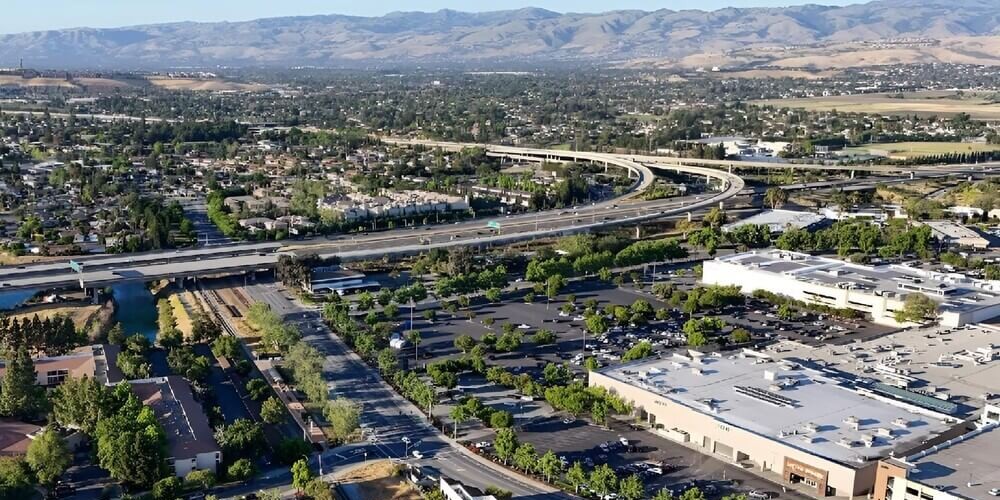
Commercial HVAC Planning in San Jose: System Strategy That Drives Performance
HVAC planning directly affects performance, operating cost, and long-term reliability in commercial buildings. In markets like San Jose and Santa Clara, where energy costs and building usage vary widely, reactive decisions often lead to inefficiencies. A structured approach to HVAC planning helps property owners and facility managers align system performance with building demands before issues compound.
What Does HVAC Planning Involve for Commercial Buildings in San Jose?
HVAC planning is not limited to selecting equipment. It involves evaluating how systems perform within the building as a whole. For commercial HVAC systems in San Jose properties, this evaluation includes load requirements, building layout, tenant usage, and equipment condition.
Effective planning typically includes:
- Reviewing current system performance across zones
- Identifying inefficiencies tied to layout or usage patterns
- Evaluating equipment lifespan and replacement timing
- Aligning system capacity with actual demand
For buildings across the San Jose service area and the broader Bay Area, planning often reveals that performance issues are not isolated failures but system-level misalignment.
Aquinas HVAC approaches planning with a focus on system behavior, not just equipment condition. This allows property teams to make informed decisions before costs escalate.
When Should a Building Consider an HVAC System Upgrade?
System upgrades are often delayed until performance declines. In practice, earlier evaluation leads to better outcomes.
Common indicators include:
- Uneven cooling or heating across units or zones
- Increased service frequency, recurring issues, or warning signs
- Rising energy usage without increased occupancy
- Equipment approaching end-of-life without clear replacement planning
For commercial HVAC contractors in San Jose, upgrade projects are usually more effective when they are planned strategically rather than driven by immediate failures.
Many commercial HVAC emergencies develop gradually through recurring operational issues, electrical strain, airflow instability, and deferred maintenance. In many cases, what appears to be an equipment failure is actually an airflow or distribution problem. Our article on commercial cooling problems in San Jose explains how property managers can identify when cooling issues are not caused by the HVAC equipment itself.
Aquinas HVAC supports system upgrades and retrofits with a focus on improving overall system efficiency while minimizing disruption to operations.
What Role Do Retrofits Play in Older Commercial Properties?
Many commercial and multi-family buildings in Santa Clara and San Jose operate with aging HVAC systems that were not designed for current usage demands. Retrofits provide a way to improve performance without full system replacement.
Retrofit strategies may include:
- Reconfiguring ductwork for better airflow distribution
- Upgrading components while retaining functional infrastructure
- Addressing system imbalances caused by building changes
- Improving control systems for better efficiency
For HVAC retrofit projects in San Jose commercial buildings, the goal is to extend system life while addressing underlying inefficiencies.
Retrofits are particularly valuable in properties where full replacement is not immediately practical due to cost or operational constraints.
How Do Energy Costs Impact HVAC Decisions in the Bay Area?
Energy costs in the Bay Area directly influence HVAC planning decisions. Inefficient systems can significantly increase operating expenses, especially in large commercial or multi-family buildings.
Key considerations include:
- System efficiency relative to energy consumption
- Peak demand usage during high-cost periods
- Equipment performance under sustained load
- Opportunities to reduce waste through system adjustments
For HVAC system upgrades in San Jose, energy performance is often a major reason for making the change. Planning ahead gives property managers more control over long-term costs instead of waiting until utility bills become a problem.
Aquinas HVAC evaluates system performance with energy impact in mind, helping property owners make decisions that balance cost and performance.
What Should Property Managers Evaluate Before Replacing a System?
System replacement is a significant investment. Without proper evaluation, it can lead to mismatched capacity or repeated inefficiencies.
Before replacing a system, property managers should assess:
- Current system performance versus building demand
- Whether issues are isolated or system-wide
- Opportunities for partial upgrades or retrofits
- Long-term building plans that may affect HVAC needs
For HVAC system replacement projects in San Jose, the same issues tend to return when equipment is replaced without addressing the overall system design.
Aquinas HVAC works with property teams to evaluate whether replacement, upgrade, or retrofit is the most appropriate path.
How to Approach HVAC Planning for Multi-Family Properties
Multi-family HVAC systems present unique challenges due to shared infrastructure and varying tenant usage patterns. In San Jose and Santa Clara, these properties often experience uneven system performance across units.
Effective planning for San Jose multi-family properties includes:
- Identifying patterns in service calls across units
- Evaluating shared system capacity and distribution
- Planning upgrades that improve consistency across the property
- Minimizing disruption to residents during system changes
For larger properties, system-level planning is essential to maintaining consistent performance. Aquinas HVAC supports both multi-family HVAC services and commercial HVAC systems with strategies designed for long-term reliability.
FAQs About Commercial HVAC Systems in San Jose
What is the benefit of HVAC planning for commercial buildings?
Planning improves system efficiency, reduces long-term costs, and helps prevent recurring performance issues.
When should a commercial HVAC system be evaluated?
Evaluation is recommended before major performance issues occur, especially as systems approach mid to late lifecycle stages.
Are retrofits better than full system replacement?
In many cases, retrofits can improve performance without the cost and disruption of full replacement, depending on system condition.
How do energy costs affect HVAC decisions in San Jose?
Higher energy costs increase the impact of inefficient systems, making planning and upgrades more important for cost control.
Do multi-family properties require different HVAC planning?
Yes. Shared systems and varying tenant usage require a broader system-level approach rather than unit-by-unit fixes.
Conclusion
HVAC planning is a critical step in maintaining performance and controlling costs for commercial and multi-family buildings. In San Jose and Santa Clara, where building demands and energy costs vary, a structured approach helps property owners make informed decisions.
Aquinas HVAC provides planning, upgrade, and retrofit support across the Bay Area, helping property managers and building owners evaluate system performance and prepare for long-term reliability. For properties considering upgrades or system changes, early consultation can clarify the most effective path forward.
If you are evaluating HVAC upgrades, retrofits, or long-term system performance, contact Aquinas HVAC to schedule a consultation for your San Jose or Santa Clara property.