
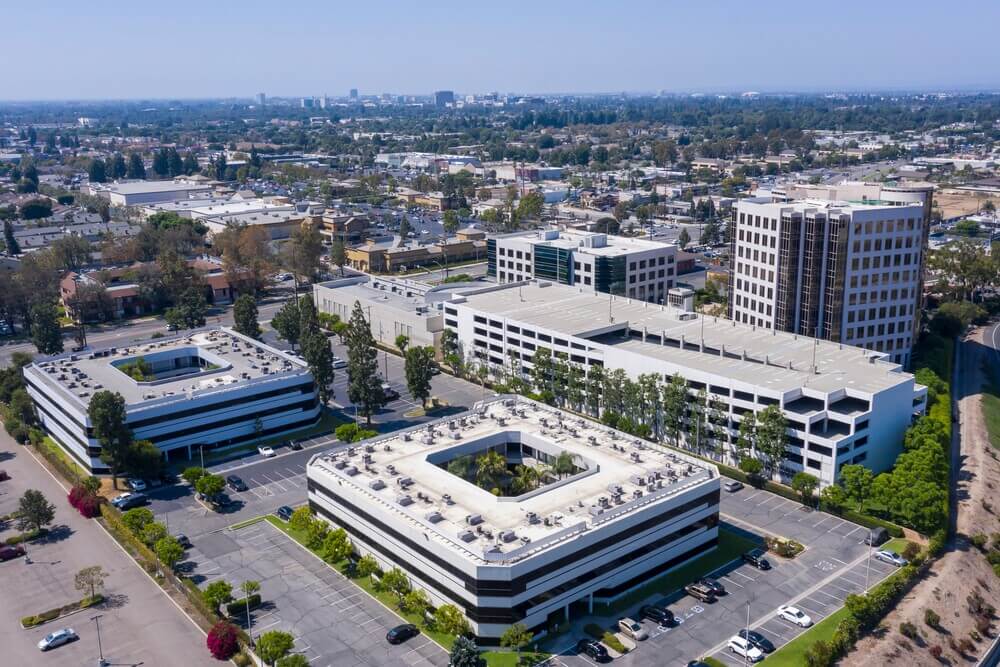
When Commercial HVAC Problems Become an Emergency in Orange County Properties
Not every HVAC issue requires immediate action. In commercial and multi-family properties throughout Orange County, some HVAC problems can be scheduled for routine service without significantly affecting building operations. Other situations, however, may require commercial HVAC emergency repairs in Orange County to avoid disrupting tenants, employees, customers, and day-to-day business activities.
For property managers and facility operators, understanding the difference between a routine service issue and a true HVAC emergency can help reduce downtime, limit operational disruptions, and support faster decision-making when problems occur.
What Qualifies as a Commercial HVAC Emergency?
A commercial HVAC emergency is typically defined by its impact on building operations rather than the specific equipment involved. A malfunctioning HVAC component may be inconvenient, but not every issue requires immediate response.
An HVAC problem is more likely to be considered an emergency when it:
- Affects a large portion of a building.
- Impacts multiple tenants or occupants.
- Creates safety concerns.
- Interrupts normal business operations.
- Causes a complete loss of heating or cooling.
- Has the potential to worsen rapidly if left unresolved.
For example, a minor temperature imbalance in a single office may be suitable for scheduled service. A complete cooling failure affecting an occupied office building during a period of high temperatures may require a much faster response.
The operational consequences often determine the urgency of the situation.
Why HVAC Emergencies Affect More Than Indoor Comfort
In commercial and multi-family properties, HVAC systems support more than occupant comfort. When major failures occur, the effects can extend throughout the property.
Office Buildings
Temperature-related disruptions can affect employee productivity, meeting spaces, and overall workplace functionality. Prolonged HVAC failures may create uncomfortable working conditions that interfere with normal business operations.
Retail Centers
Retail tenants rely on comfortable indoor environments for both customers and employees. HVAC disruptions can negatively affect customer experience and create challenges for businesses operating within the property.
Multi-Family Properties
Apartment communities often depend on central systems or shared infrastructure that affect multiple residents. Significant HVAC failures can generate tenant complaints, impact common areas, and create operational challenges for teams responsible for multi-family HVAC properties. Property managers may need to balance resident expectations, building operations, and repair coordination when urgent issues occur.
Regardless of building type, HVAC emergencies frequently become operational issues before they become equipment issues.
Common HVAC Emergencies in Commercial and Multi-Family Buildings
While every property is different, several situations commonly require immediate attention.
Complete Cooling System Failure
Loss of cooling can quickly affect occupant comfort and building operations, particularly during periods of high demand. Large office buildings, retail centers, and multi-family properties may experience widespread disruption when cooling systems become unavailable.
Electrical or Control System Failures
Electrical faults and control system issues can prevent HVAC equipment from operating properly. These problems may affect multiple areas of a property and can be difficult to predict without professional evaluation.
Loss of Airflow Across Multiple Areas
Airflow issues that affect multiple tenant spaces or large sections of a building may indicate broader system problems requiring immediate attention.
Equipment Failures Affecting Multiple Occupants
When a single equipment failure impacts numerous tenants, offices, or common areas, the resulting operational disruption often elevates the urgency of the situation.
In many cases, the scope of the impact is more important than the specific component that has failed.
The Cost of Waiting Too Long
Not every commercial HVAC issue becomes worse overnight, but delaying action during an emergency can increase disruption and operational risk.
Extended downtime may result in:
- Increased tenant complaints.
- Business interruptions.
- Reduced occupant comfort.
- Scheduling challenges.
- Additional strain on related equipment.
- More extensive repair requirements.
In some cases, what begins as a manageable HVAC issue can grow into a larger operational problem when action is delayed. The longer significant system failures remain unresolved, the more likely they are to affect tenants, daily operations, and overall property performance.
Responding quickly can often limit disruption and help prevent additional complications.
Questions Property Managers Should Ask During an HVAC Emergency
When HVAC problems arise, property managers are often required to make decisions quickly. Asking a few practical questions can help determine the level of urgency.
Consider:
- How much of the property is affected?
- Are tenants, employees, or customers being impacted?
- Is the issue likely to worsen if delayed?
- Does the problem involve electrical concerns?
- Is there a temporary solution available?
- How long can operations continue under current conditions?
- Could additional equipment be affected if the issue continues?
These questions help shift the focus from the equipment itself to the operational impact on the property.
Preparing for HVAC Emergencies Before They Happen
Emergency situations are easier to manage when basic preparation has already occurred.
Property managers can improve response efforts by maintaining:
- Current equipment information
- Emergency contact procedures
- Building access protocols
- After-hours response plans
- Internal communication procedures
Preparation does not eliminate emergencies, but it can reduce confusion and help accelerate decision-making when urgent situations arise.
Having key information readily available often allows service providers to evaluate issues more efficiently and reduce delays during critical situations.
Quick Response Can Reduce Operational Disruption
Commercial HVAC emergencies are rarely isolated equipment problems. When heating or cooling failures affect occupied spaces, they can quickly become property management issues involving tenants, employees, customers, and daily operations.
Recognizing when a routine service concern has become urgent can help property managers respond faster and limit disruption. For properties facing immediate system failures, commercial HVAC emergency repairs can help restore normal building conditions and reduce the impact on occupants.
These situations can affect office buildings, retail centers, apartment communities, and mixed-use properties that rely on commercial HVAC services throughout Orange County.