
HVAC Retrofits for Commercial Properties in Orange County
Many commercial and multi-family buildings in Orange County were built decades ago, and their HVAC systems are beginning to show their age. While routine commercial HVAC maintenance and repairs can keep equipment operating for years, there eventually comes a point where continued repairs become less practical than upgrading or retrofitting the system.
For property owners and managers, recognizing that turning point can help prevent escalating repair costs, comfort complaints, and operational disruptions. In many cases, targeted HVAC upgrades can significantly improve reliability and efficiency without requiring a full building renovation.
For building owners exploring long-term solutions, understanding when and how HVAC retrofits are performed is the first step.
When HVAC Repairs Start Becoming a Long-Term Problem
Most HVAC systems go through a predictable lifecycle. Early in their life, repairs tend to be minor and inexpensive. As equipment ages, service calls often become more frequent and more costly.
At a certain stage, building owners begin to notice a pattern where repairs temporarily restore performance but problems return soon afterward.
Common signs that a commercial HVAC retrofit may be worth evaluating include:
Increasing Frequency of Repairs
If a system requires multiple service visits per year, repair costs can begin to accumulate quickly. For older rooftop units, chillers, or split systems, repeated component failures may signal that major parts are nearing the end of their lifespan.
At this stage, continuing to repair the system may only delay an inevitable replacement.
Rising Energy Consumption
Older HVAC equipment typically operates less efficiently than modern systems. As components wear down, performance can decline further, causing energy usage to increase.
In office buildings, retail spaces, and apartment complexes across Orange County, energy costs are often one of the largest operating expenses. Upgrading outdated equipment can significantly reduce energy consumption while improving overall system performance.
In 2026, managing HVAC overhead is a primary concern for Orange County property owners as SCE and SDG&E commercial rates continue to adjust. Upgrading to high-efficiency systems provides a predictable defense against escalating utility costs and helps maintain the building’s Net Operating Income (NOI).
Persistent Comfort Complaints
Uneven temperatures, inconsistent airflow, or difficulty maintaining comfortable conditions can indicate that an HVAC system is no longer properly matched to the building.
In multi-tenant buildings or apartment complexes, these issues often lead to ongoing tenant complaints. A retrofit or system upgrade may address underlying capacity or airflow limitations that repairs alone cannot solve.
Aging Equipment
Many commercial HVAC systems operate for 15 to 25 years depending on usage and maintenance history. Once equipment reaches the upper end of that range, replacement planning becomes increasingly important.
Rather than waiting for a critical failure, many building owners evaluate retrofit options while the system is still operational.
How HVAC Retrofits Work in Existing Buildings
One of the most common concerns property owners have is how HVAC upgrades will affect building operations. Retrofit projects are specifically designed to improve systems within existing structures, often with minimal disruption.
Retrofits may involve replacing aging equipment, improving system controls, or upgrading specific components to enhance performance.
For example, an HVAC retrofit may include:
- Replacing outdated rooftop units with higher-efficiency models
- Upgrading system controls or thermostats
- Improving airflow distribution within the building through duct adjustments, system balancing, or HVAC zoning and airflow optimization
- Installing new HVAC equipment that meets current refrigerant and efficiency standards
- Installing more efficient equipment designed for the building’s current usage
A critical component of modern retrofits is ensuring Title 24 compliance and transitioning to Low-GWP (Global Warming Potential) refrigerants like R-454B. As legacy refrigerants such as R-410A become more regulated and expensive to source, proactive equipment upgrades help prevent future maintenance bottlenecks while supporting long-term environmental compliance.
Because these upgrades occur within an existing building, experienced commercial HVAC contractors in Orange County evaluate the existing system and building conditions before recommending upgrade options.
For property managers, this evaluation process helps ensure that the proposed upgrade aligns with the building’s operational needs and long-term goals.
Building Types That Often Benefit from HVAC Retrofits
Many types of commercial and multi-family properties across Orange County benefit from HVAC upgrades as equipment ages or building needs evolve.
Office Buildings
Office environments require consistent temperature control and reliable air circulation to maintain occupant comfort. Older systems may struggle to keep up with changing occupancy patterns or updated workspace layouts.
Retrofitting HVAC equipment can help improve system performance while reducing operational costs. Many property owners begin by reviewing commercial HVAC system upgrades and retrofit options available for existing buildings.
Retail Centers
Retail buildings often have varying cooling loads due to storefront exposure, lighting, and customer traffic. When HVAC systems become outdated, maintaining comfortable conditions throughout the building becomes more difficult.
Modern HVAC upgrades can improve airflow distribution and overall cooling performance.
Mixed-Use Buildings
Mixed-use properties combine residential and commercial spaces, which often have very different heating and cooling requirements. Retrofitting HVAC systems can help balance these demands while improving efficiency across the entire property.
Apartment Complexes and Multi-Family Properties
In multi-family buildings, aging HVAC systems frequently result in inconsistent comfort between units. Retrofitting or upgrading equipment can improve reliability while supporting better temperature control for residents.
These types of improvements often reduce service requests while enhancing overall tenant satisfaction.
Operational Benefits of Commercial HVAC Upgrades
When planned carefully, HVAC retrofits can deliver several long-term advantages for property owners and managers.
Improved Energy Efficiency
Modern HVAC equipment is significantly more efficient than systems installed decades ago. Upgrading older equipment can reduce energy consumption while maintaining consistent performance.
Greater System Reliability
As HVAC systems age, unexpected failures become more common. Replacing outdated components with newer equipment can reduce the likelihood of emergency service calls.
Beyond mechanical reliability, a structured retrofit aligns your property with the 2025 California Energy Code standards. This proactive approach to Capital Expenditure (CapEx) planning eliminates the risk of emergency system failures that could lead to tenant rent abatements or costly operational downtime.
Better Comfort for Tenants and Occupants
Maintaining consistent indoor conditions is critical for both residential and commercial buildings. HVAC upgrades can improve airflow balance, temperature control, and overall comfort.
Longer-Term Operational Planning
A retrofit allows building owners to proactively address aging equipment rather than reacting to system failures. This approach supports better budgeting and reduces the risk of unexpected downtime.
Evaluating HVAC Retrofit Options for Your Building
Every building has unique requirements. Factors such as building layout, equipment age, occupancy patterns, and operational priorities all influence whether a retrofit or system replacement is the best solution.
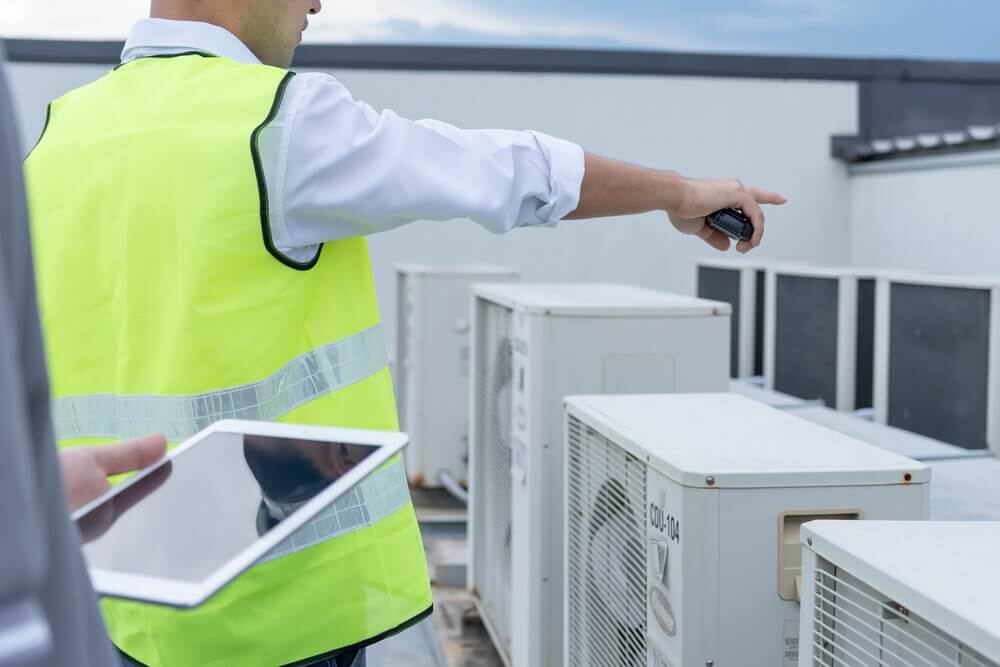
For many property owners in Orange County, the first step is a professional system evaluation. During this process, technicians review the condition of existing equipment and identify opportunities to improve efficiency, reliability, and overall performance.
If your building is experiencing recurring HVAC issues or rising energy costs, it may be time to explore upgrade options.
Property managers and building owners can learn more about available solutions by reviewing Aquinas HVAC’s commercial HVAC services or their specialized multi-family HVAC services for apartment complexes and residential buildings.
Additional details about upgrade planning can be found on the HVAC system upgrades and retrofit services page. For Orange County property owners, Aquinas HVAC also provides regional support through their Orange County service area page.
Schedule a Commercial HVAC Upgrade Evaluation
If your building’s HVAC system is approaching the end of its service life, exploring retrofit options early can help prevent costly disruptions.
Aquinas HVAC works with office buildings, retail centers, mixed-use properties, and apartment complexes throughout Orange County to evaluate aging systems and recommend practical upgrade solutions.
Property managers and building owners can schedule a system evaluation to determine whether HVAC retrofits or equipment upgrades are the right next step for their building.