
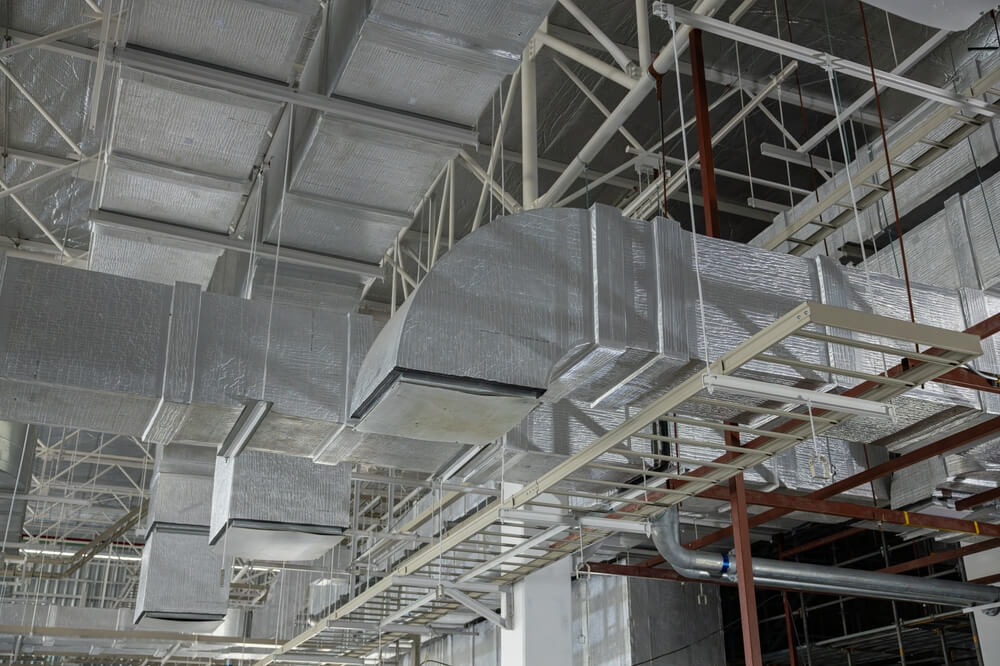
HVAC Zoning and Airflow Optimization for Multi-Family and Commercial Buildings in San Diego
Property managers across San Diego often encounter a familiar HVAC challenge where certain areas of a building are consistently too hot, while others remain too cold. Tenants complain about uneven temperatures, and maintenance teams receive repeated service requests even though the HVAC equipment itself appears to be functioning properly.
In many cases, the problem is not the heating or cooling equipment. Instead, it is how conditioned air is distributed throughout the building.
For large apartment complexes and mixed-use developments, multi-family HVAC services often focus on airflow optimization and zoning strategies that help correct distribution issues and improve overall system performance.
Understanding when zoning improvements are appropriate can help property managers address comfort problems without immediately replacing major equipment.
Why Uneven HVAC Performance Happens in Large Buildings
Even well-maintained HVAC systems can struggle to deliver consistent comfort across large properties.
Several building characteristics commonly contribute to uneven performance.
Differences in Building Exposure
Units and spaces that receive direct sun exposure tend to heat up faster than shaded areas. Upper floors may retain more heat than lower floors, while certain wings of a building may experience stronger temperature fluctuations.
Without proper airflow management, HVAC systems often overcool some areas while undercooling others.
Mixed Occupancy Patterns
Many San Diego properties combine residential units with offices, retail space, or shared amenities.
A leasing office, fitness center, or lobby may require cooling throughout the day, while residential units may experience peak demand during evenings and overnight hours. These differing usage patterns place varying demands on the HVAC system.
Distribution Limitations in Existing Systems
Older multi-family buildings and commercial properties frequently rely on centralized equipment or shared duct systems.
Even in buildings where individual units have their own HVAC equipment, common areas and shared spaces may rely on centralized rooftop units. These systems may not distribute conditioned air evenly across large floor plans.
When airflow distribution becomes unbalanced, comfort complaints often increase despite the system running frequently.
What HVAC Zoning Systems Do
HVAC zoning systems divide a building into separate areas that can be controlled independently.
Instead of delivering the same amount of heating or cooling across an entire property, zoning systems use thermostats, control panels, and automated dampers within the ductwork to regulate airflow to specific areas.
This approach allows the system to respond to the conditions within each zone rather than relying on a single thermostat for the entire building.
For example, zoning systems may allow a building to manage:
- Upper floors separately from lower floors
- Sun-exposed areas separately from shaded areas
- Retail or office spaces independently from residential units
- High-traffic common areas independently from private spaces
These adjustments help HVAC systems distribute conditioned air more effectively across the property.
Where HVAC Zoning Is Most Common in San Diego Properties
In modern apartment buildings, individual units often have their own HVAC systems. However, zoning systems still play an important role in many types of properties.
Commercial and Office Buildings
Many buildings rely on commercial HVAC systems such as rooftop units that serve multiple spaces through shared duct systems.
Installing zoned HVAC systems in commercial buildings allows different offices or suites to receive appropriate airflow without affecting the entire building.
Mixed-Use Developments
San Diego has a growing number of mixed-use properties that combine residential units with retail or office space.
In these buildings, HVAC zoning helps separate the needs of residential tenants from those of commercial tenants operating during daytime hours.
Older Multi-Family Buildings
Some older apartment complexes still operate with centralized systems or large duct networks serving multiple units or floors.
For these properties, multi-family HVAC zoning systems can help correct airflow imbalances that have developed over time.
Operational Benefits of HVAC Zoning Systems
Zoning systems offer several advantages for property managers responsible for large buildings.
Improved Comfort for Tenants and Occupants
When HVAC airflow is directed more precisely, temperatures remain more consistent across the building.
This helps reduce hot and cold spots that often trigger tenant complaints in apartment complexes or office environments.
Reduced Service Calls
Many HVAC service calls originate from comfort issues rather than equipment failure.
By implementing HVAC zoning for apartment buildings or commercial spaces, property managers can reduce the number of complaints related to uneven temperatures.
More Efficient System Operation
When airflow is balanced and directed appropriately, HVAC systems do not need to run as long to maintain comfortable conditions.
For large properties, improved distribution can help reduce unnecessary runtime and support overall energy efficiency strategies.
HVAC Zoning as Part of Retrofit and Upgrade Projects
Zoning systems are often implemented as part of larger HVAC system upgrades and retrofit projects that improve airflow control and building comfort.
Property managers pursuing HVAC system upgrades apartment buildings or commercial properties may find that zoning controls significantly improve the effectiveness of new equipment.
During an HVAC zoning retrofit multi-family project, technicians may install automated dampers within existing ductwork and integrate a control panel that allows each zone to respond to its own thermostat.
These upgrades can often be implemented without major structural changes to the building.
Evaluating HVAC Performance in San Diego Buildings
For property managers overseeing HVAC for apartment complexes or mixed-use buildings in San Diego, evaluating airflow distribution is an important part of maintaining building comfort.
Common signs that a building may benefit from zoning or airflow improvements include:
- repeated temperature complaints from specific areas
- certain floors or wings running hotter or colder than others
- HVAC systems running frequently without maintaining consistent comfort
- differences in comfort between commercial spaces and residential units
In these situations, a professional evaluation can determine whether zoning adjustments or airflow improvements would help stabilize building performance.
HVAC Optimization for Multi-Family and Commercial Properties
HVAC zoning is one of several strategies used to improve how large systems operate.
Experienced multi-family HVAC services providers in San Diego often evaluate airflow distribution, duct design, equipment sizing, and control strategies together.
By optimizing how air moves throughout the building, property managers can improve comfort, reduce operational strain on equipment, and create a more stable indoor environment for tenants and occupants.
HVAC System Evaluations in San Diego
Every building operates differently, which means HVAC improvements must be tailored to the property’s layout and operational needs.
Aquinas HVAC works with property managers throughout San Diego to evaluate HVAC performance in commercial and multi-family buildings and identify opportunities to improve airflow distribution, zoning, and overall system efficiency.
If your building experiences uneven temperatures or recurring comfort complaints, contact Aquinas HVAC in San Diego to request a system evaluation.