
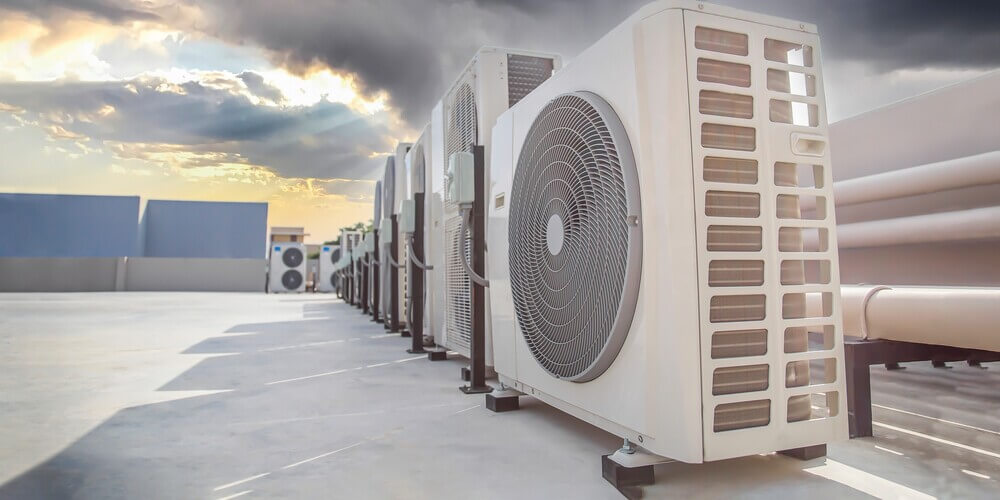
Why Commercial HVAC Systems Still Fail Despite Routine Maintenance in Orange County
Routine maintenance helps reduce HVAC risk, but it does not eliminate every developing problem within a commercial or multi-family system. Even well-maintained systems in Orange County can experience hidden wear, intermittent electrical issues, operational strain, airflow imbalances, and aging equipment failures that develop gradually between service visits.
For commercial properties and apartment buildings, HVAC systems operate under constant demand. In areas like Santa Ana and throughout Orange County, continuous usage, varied building layouts, and changing occupancy conditions create ongoing stress that routine maintenance alone may not fully uncover.
Why Do Commercial HVAC Systems Fail Despite Regular Maintenance?
Routine maintenance reduces common HVAC risks, but it does not always identify deeper operational problems or developing system instability.
Commercial and multi-family HVAC systems often appear functional during scheduled visits while hidden issues continue progressing behind the scenes. A system may cool properly during inspection but still experience intermittent shutdowns, electrical inconsistencies, airflow restrictions, or component strain during heavier operational periods.
Routine maintenance typically focuses on keeping systems operating efficiently and safely. Deeper diagnostics involve evaluating performance trends, operational stability, load behavior, airflow balance, and recurring failure patterns across the property.
In Orange County commercial buildings, HVAC equipment often runs for extended hours throughout the year. Multi-family properties may experience constant tenant demand across multiple zones, creating uneven wear that becomes difficult to identify during standard maintenance intervals.
Properties in Santa Ana, Anaheim, Irvine, and surrounding areas frequently experience ongoing HVAC demand tied to occupancy levels, operational schedules, and aging infrastructure. Over time, those conditions can contribute to recurring HVAC problems even when maintenance is performed consistently.
What Problems Are Often Missed Between Service Visits?
Many commercial HVAC failures begin as small operational inconsistencies that develop gradually between scheduled service appointments.
Some issues may only appear under specific load conditions, temperature swings, or occupancy demands. Others develop intermittently, making them difficult to detect during a standard maintenance visit.
Common hidden or developing HVAC problems include:
- Intermittent electrical connection failures
- Hidden airflow restrictions within larger building layouts
- Load-related system strain during peak usage periods
- Early-stage compressor or motor wear
- Uneven cooling performance across tenant spaces or zones
- Sensor inconsistencies affecting operational timing
- Control communication irregularities
- Drainage or moisture issues that worsen gradually over time
In commercial and multi-family buildings, these problems may continue for months before triggering a major service interruption. During that period, property managers may notice increasing complaints, recurring service calls, inconsistent comfort, or declining system reliability without a single obvious cause.
This is especially common in larger apartment complexes and mixed-use properties where HVAC demand varies significantly throughout the day.
What Causes Recurring HVAC Problems in Multi-Family Buildings?
Recurring multi-family HVAC problems in Orange County properties are often caused by continuous operational demand combined with uneven system stress across the building.
Unlike many smaller commercial environments, apartment and multi-family systems rarely experience extended downtime. Equipment operates continuously across multiple units, shared spaces, and varying occupancy conditions.
Several operational factors contribute to recurring multi-family HVAC problems in Orange County:
- Continuous tenant usage throughout the year
- Uneven cooling demand between units or floors
- Aging HVAC infrastructure
- Different sun exposure across building elevations
- Distribution imbalances between occupied spaces
- Repeated strain on heavily used equipment zones
For apartment properties, recurring HVAC problems are often easier to identify when maintenance records are used as a planning tool, not just a service log. Aquinas HVAC covers this in more detail in its article on apartment complex HVAC maintenance in Orange County.
In larger properties, one section of the building may experience significantly higher demand than another. That uneven usage pattern can create recurring issues isolated to specific units, rooftops, or system groups.
For property managers, recurring failures often create operational disruption beyond the HVAC system itself. Repeated tenant complaints, emergency repair calls, inconsistent comfort, and escalating repair costs can become ongoing management challenges.
Aquinas HVAC supports both commercial HVAC services and multi-family HVAC services throughout Orange County for properties experiencing recurring HVAC instability.
When Is Routine Maintenance No Longer Enough?
Routine maintenance may no longer be sufficient when HVAC problems continue returning despite regular service intervals.
Commercial and multi-family properties often reach a point where standard maintenance cannot fully address underlying operational problems. At that stage, recurring symptoms usually become more noticeable across the property.
Common warning signs include:
- Repeat service calls for similar issues
- Increasing repair frequency
- Uneven temperatures across zones or tenant spaces
- Intermittent shutdowns during high-demand periods
- Declining cooling or heating consistency
- Equipment aging combined with heavier operational loads
- Rising operational disruptions despite ongoing maintenance
These situations often indicate the need for deeper system evaluation rather than additional routine service alone.
In some Orange County properties, recurring failures stem from aging equipment operating beyond its original demand expectations. In others, the issue may involve system sizing limitations, distribution problems, operational imbalance, or deteriorating components affecting overall performance.
When recurring repairs stop resolving the underlying issue, property owners may need to evaluate commercial HVAC retrofits in Orange County as part of a longer-term system strategy.
What Should Property Managers Do Beyond Routine Maintenance?
Property managers should move beyond routine maintenance when recurring HVAC problems begin affecting operational stability or tenant comfort.
A broader evaluation strategy can help identify developing issues before they create larger disruptions across the property.
Recommended next steps may include:
- Full system diagnostics
- Operational performance evaluations
- Targeted corrective repairs
- Airflow and distribution testing
- Equipment condition assessments
- Retrofit planning for aging systems
- Replacement timing evaluations
- Load and performance analysis across building zones
For larger commercial and multi-family properties, these evaluations can help reduce repeat failures while improving long-term operational planning.
Aquinas HVAC also supports Orange County property owners with system upgrades and retrofits and emergency HVAC repairs when recurring issues begin impacting building operations.
Property managers looking to evaluate broader HVAC performance across Orange County can also review Aquinas HVAC’s Orange County service area page for regional support coverage.
FAQs About Commercial HVAC Failures in Orange County
Why does commercial HVAC equipment fail even with maintenance?
Routine maintenance reduces risk, but hidden wear, operational strain, intermittent failures, and aging equipment problems can still develop between service visits.
What are early warning signs of HVAC failure?
Common warning signs include recurring service calls, uneven temperatures, intermittent shutdowns, rising repair frequency, and declining system performance.
How often should systems be evaluated beyond routine maintenance?
Commercial and multi-family systems should receive broader operational evaluations when recurring problems continue despite regular maintenance or when equipment performance begins declining.
Why do multi-family HVAC systems experience recurring issues?
Multi-family properties experience continuous usage, uneven tenant demand, varied building exposure, and long operational hours that place ongoing stress on HVAC systems.
When should property managers consider retrofit planning?
Retrofit planning may become necessary when systems experience repeat failures, increasing repair costs, operational instability, or declining performance across the property.
Commercial and multi-family HVAC systems throughout Orange County require more than routine maintenance when recurring failures begin affecting reliability and operational stability. Property managers dealing with ongoing HVAC problems, uneven performance, or repeated service disruptions should consider scheduling diagnostics or broader system assessments before larger failures develop.